How to Offset Carbon Tax Costs with Solar Power?
As carbon pricing mechanisms like carbon taxes become a global reality, businesses face increasing operational costs tied to their emissions. Proactive companies are turning this challenge into a strategic opportunity.
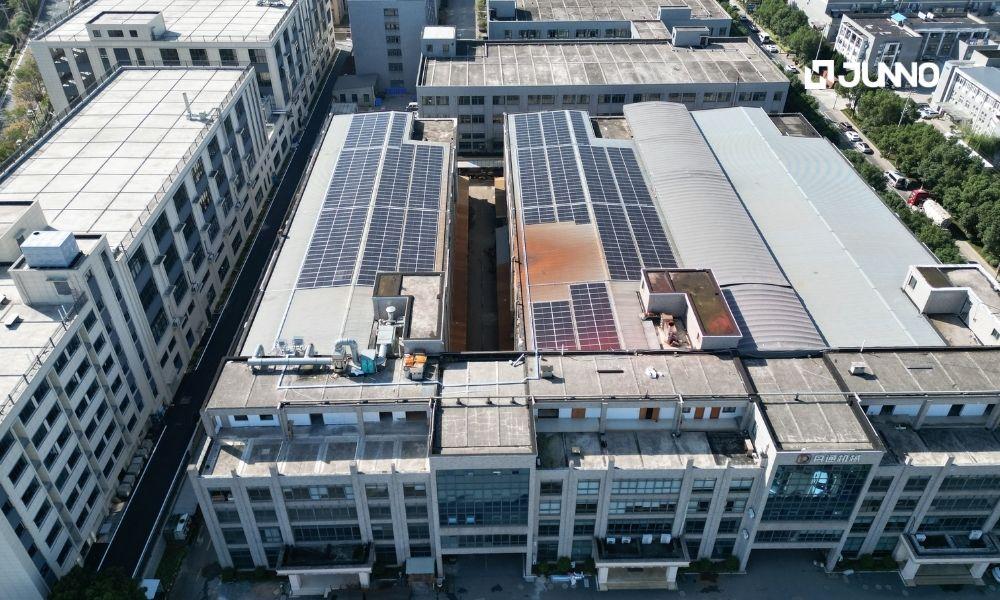
Installing commercial solar systems has emerged as a powerful, tangible solution to mitigate carbon tax exposure while boosting sustainability and long-term savings. This guide explains clearly how solar power can be your ally against carbon costs.

The Carbon Tax Imperative – Why Emissions Now Have a Price
A carbon tax puts a direct fee on greenhouse gas emissions, typically per ton of CO2 equivalent. For businesses, this translates to:
Increased Direct Costs: Higher fossil fuel consumption and grid electricity use (often fossil-fuel-based) lead to higher tax bills.
Financial Risk: Carbon tax rates are likely to rise over time, increasing future liabilities.
Competitive Pressure: Environmental performance now impacts brand reputation, financing, and market access.
How Solar PV Acts as a "Carbon Tax Shield"
Solar power counteracts carbon tax liability through three primary channels:
Cuts Scope 2 Emissions, Reducing Your Tax Base
Most business electricity comes from the grid, which relies heavily on fossil fuels. These "Scope 2" indirect emissions are a key factor in carbon tax calculations. Every kilowatt-hour (kWh) of solar energy you generate and use on-site displaces a kWh of grid electricity, thereby lowering your measurable carbon footprint. Less emissions mean a lower tax base.
Generates Tradable Carbon Assets for Extra Revenue
Your solar installation can generate verified carbon emission reductions. These can often be certified (e.g., as carbon credits in voluntary markets) and sold, creating a new revenue stream that directly offsets carbon tax payments. Your solar array becomes a carbon credit generator.
Lowers Overall Energy Costs, Improving Financial Resilience
Beyond carbon tax savings, solar power slashes your electricity bills. Through "self-consumption" of solar energy and selling surplus power back to the grid, you lock in lower, predictable energy costs for decades. These significant savings provide a stronger financial buffer to absorb any remaining carbon-related costs.
Your Business Implementation Roadmap
Assessment & Planning
Site Audit: Evaluate roof space, land, structural integrity, and solar exposure.
Energy Analysis: Review your load profile to maximize solar self-consumption.
Carbon Baseline: Calculate current emissions to forecast carbon tax liability.
System Design & Installation
Partner with a reputable installer to design a system optimized for your energy needs and site.
Consider integrating energy storage (batteries) to increase solar usage after sundown.
Operation & Asset Management
Ensure Performance: Regular maintenance guarantees optimal system output over its 25+ year lifespan.
Monetize Carbon Benefits: Explore certifying your solar project's carbon reduction to create sellable carbon credits.
Track ROI: Quantify total benefits: reduced electricity bills, carbon credit income, and avoided carbon tax payments.

Conclusion: More Than an Offset – A Strategic Investment
Leveraging solar PV to address carbon tax is a forward-thinking business investment, not just a compliance tactic. It delivers a triple advantage:
Financial: Long-term energy cost reduction and new revenue from carbon assets.
Regulatory: Lower carbon tax liability and preparedness for stricter climate policies.
Reputational: Enhanced brand value as a sustainability leader, appealing to stakeholders.
Turning your rooftop or land into a clean power source illuminates a clear path to reduce carbon costs, ensure energy independence, and build a more competitive and resilient business for the future.