Will Agrivoltaics Affect Crop Growth?
Rows of dark blue solar panels stretch across the land, with lush green crops growing beneath them—this is the emerging global scene of agrivoltaics.
The integration of solar power generation with agricultural production, known as agrivoltaics or solar sharing, is sparking curiosity and questions: Does the shading from solar panels negatively affect crop growth? In reality, scientifically designed agrivoltaic systems can not only reduce solar radiation stress on certain crops but also enhance land use efficiency, creating a synergistic "dual-use of land" effect.
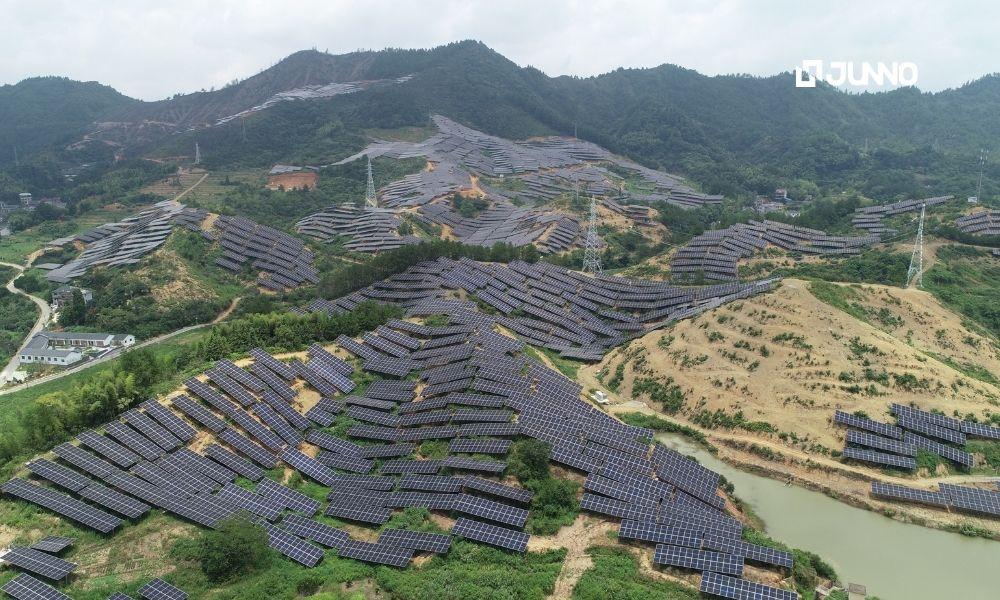
The Evolution of Photovoltaic Agriculture: From Simple Overlay to Synergistic Systems
Agrivoltaics has evolved from early-stage simple physical co-location to today's synergistic phase, where the entire system functions as an integrated organic whole. Latest research indicates that rationally designed solar panel arrays can optimize the microclimate, and under certain conditions, even promote crop growth.
A five-year international study shows that by scientifically configuring the height, tilt angle, and spacing of solar panels, a suitable light environment for different crops can be created. This design considers not only power generation efficiency but also agricultural production needs, offering an effective solution to the conflict between limited land resources and renewable energy development.
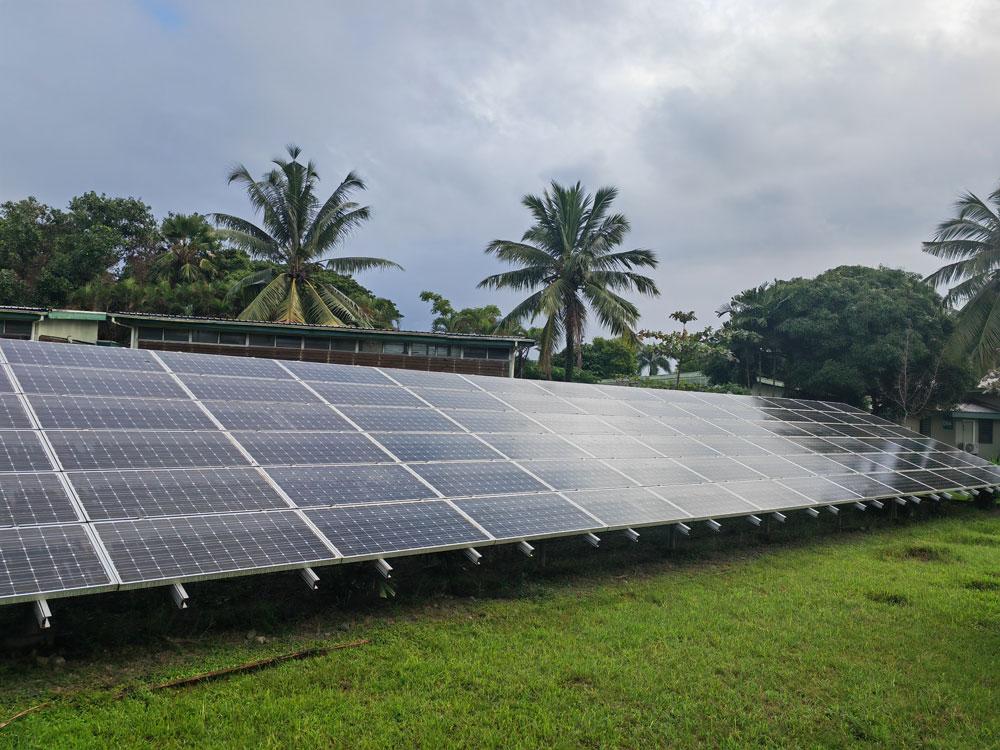
How Scientific Design Balances Light Requirements
The key to successful agrivoltaics lies in addressing the "light competition" issue. While traditional fixed-tilt panels do create fixed shadow zones, modern agrivoltaic systems have developed various innovative solutions:
Smart Tracking Systems: Solar panels with adjustable angles automatically track the sun's position, ensuring generation efficiency while allowing an adequate amount of sunlight to reach the crops below.
Spectral Splitting Technology: Specially designed panels absorb only light spectra not essential for plant growth (e.g., green and ultraviolet light), while allowing spectra crucial for photosynthesis (red and blue light) to pass through.
Strategic Spacing and Layout: By optimizing the spacing and height between panels, a pattern of alternating light strips and shadow strips is created, suitable for intercropping with plants having different light requirements.
Experimental data shows that crops under agrivoltaic systems employing these technologies can experience a more stable growth environment compared to full-sun conditions, reducing stress from high temperatures and intense light. This is particularly beneficial for shade-tolerant crops.
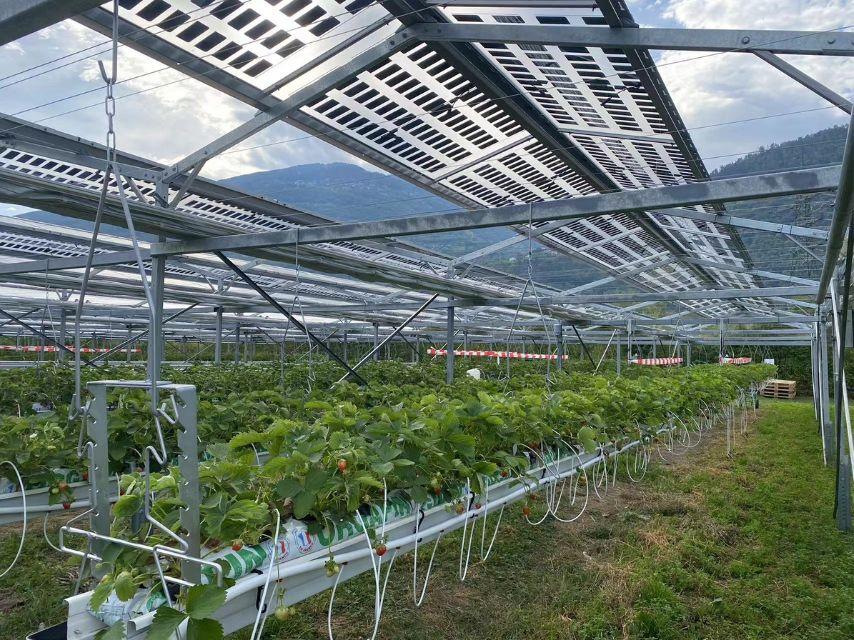
Site-Specific Crop Selection Strategies
Crop selection is a critical factor for success in agrivoltaics. Research indicates that shade-tolerant crops with large leaf areas are generally better suited for cultivation under solar arrays. Projects worldwide have successfully cultivated various crop varieties adapted to partially shaded conditions:
Leafy Greens: Crops like lettuce and spinach often develop better quality under moderate shade, with reduced risk of premature bolting.
Medicinal Plants: Many traditional medicinal herbs naturally grow in forest understories and are adapted to low-light conditions.
Berry Crops: Crops such as blueberries and raspberries have shown improved yield and quality under partial shade.
Significant progress has been made in screening shade-tolerant varieties. An international collaborative study identified maize varieties most suitable for agrivoltaic environments from hundreds of candidates. These varieties were 10-15% shorter in height than conventional ones but exhibited significantly enhanced lodging resistance.
The Microclimate Regulation Effect of Agrivoltaics
Solar panel arrays create a unique microclimate that influences crop growth in several ways:
Temperature Regulation: Panels can lower the air temperature beneath them by 2-5°C in summer, reducing heat stress on crops. In winter, they help retain heat, potentially extending the growing season.
Water Conservation: Shading reduces soil water evaporation. Multiple studies show soil moisture under panels can be 15-25% higher than in full-sun areas, significantly improving water use efficiency.
Protection from Extreme Weather: Panels can mitigate direct damage to crops from extreme weather events like strong winds and hail.
A comparative study found that in arid regions, crop yields under solar panels were 8-12% higher than in open-field cultivation, primarily due to improved water use efficiency.
Analysis of the Multiple Benefits of Agrivoltaics
Successful agrivoltaic projects can achieve multiple synergistic benefits across several key areas:
Energy Production: These systems provide clean electricity and can reduce farm energy costs. A typical project can generate enough power to meet the annual needs of 500 to 1,000 households.
Agricultural Output: They increase land productivity per unit and can enhance crop quality. For some crops, vitamin content has been shown to increase by 10-20%.
Ecological Benefits: Benefits include reduced soil water evaporation and a lower carbon footprint. Water use efficiency can improve by 15-30%.
Economic Resilience: Agrivoltaics diversify income sources and reduce agricultural risk, potentially increasing total farm revenue by 30-50%.
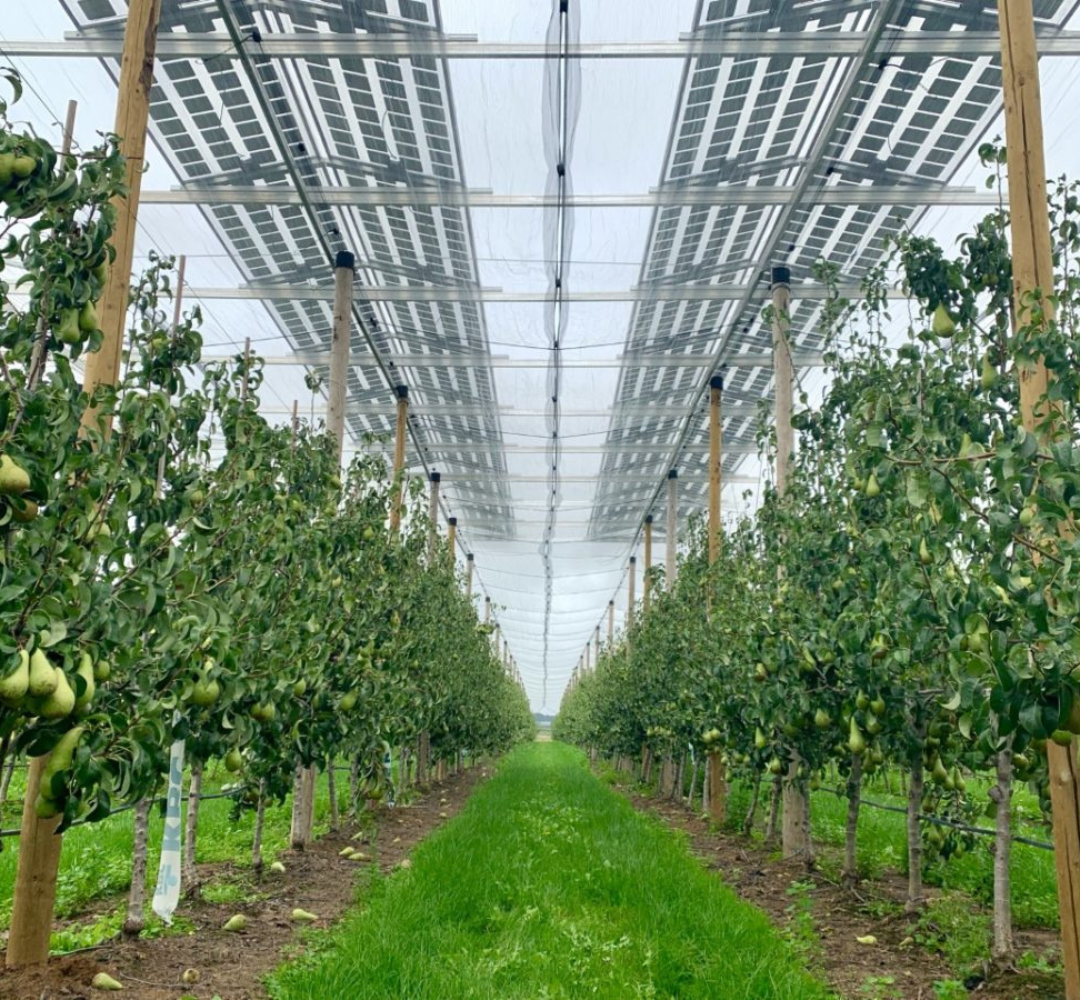
Technological Innovation and Future Prospects
Technological innovation in agrivoltaics is accelerating:
Semi-Transparent PV Materials: These allow most visible light to pass through for crops while capturing ultraviolet and infrared light for electricity generation.
Vertical PV Systems: Installing panels vertically minimizes ground shading, making them particularly suitable for mechanized agriculture.
Integrated Agrivoltaic Design: Deep integration of solar generation with agricultural infrastructure like greenhouses and irrigation systems.
Research institutions are developing smart management systems that use sensor networks to monitor light, temperature, and humidity in real-time, dynamically adjusting panel angles to achieve an optimal balance between electricity generation and agricultural production.
Global Practices and Lessons Learned
Successful models of agrivoltaics have been implemented worldwide:
In Europe, solar panels are installed above vineyards and orchards, generating power without hindering fruit tree growth. Large-scale farms in North America deploy solar arrays on marginal land, cultivating pasture or shade-tolerant crops underneath. In Asia, high-value medicinal plants and specialty vegetables are grown beneath panels.
These practices demonstrate that agrivoltaics is not merely about sharing land, but about optimizing resource allocation through scientific design. When panel height, spacing, and tilt are carefully calculated, and when crop varieties are matched to local climatic conditions, agricultural production and solar power generation can form a truly synergistic relationship.
Beneath the solar arrays, shade-tolerant crops thrive in an optimized microclimate. Smart systems adjust panel angles based on the sun's position and crop needs. A single piece of land simultaneously produces clean energy and quality agricultural products. Agrivoltaics is no longer just a concept but a rapidly developing model of sustainable agriculture globally. As technology advances and more practical experience is gathered, this approach holds great promise for accelerating the global energy transition while ensuring food security.