Unlocking the Full Lifecycle of a Solar Farm

I. Design Phase
Site Survey
Load-bearing capacity: It is necessary to determine the load-bearing capacity of the roof or floor, obtain architectural structural drawings, and have a structural load report issued by a professional institution.
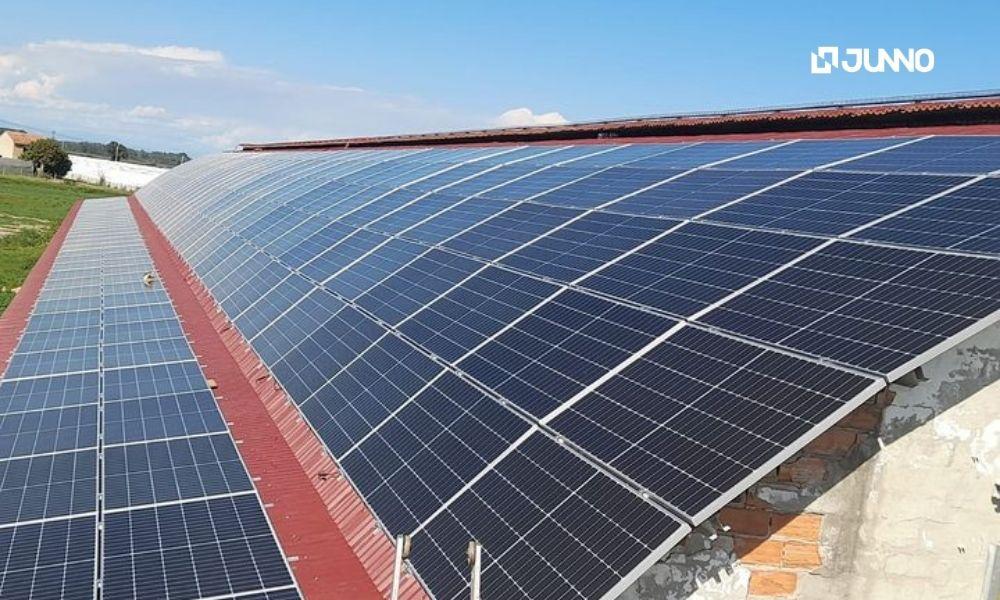
Power Consumption Analysis: Collect historical electricity usage data, consumption patterns, and peak loads from the factory.
Shadow analysis: Observe the surrounding environment and avoid obstructions caused by chimneys, parapets, air conditioner outdoor units, and trees.
local weather: Collects local weather data for the entire year. For example: annual sunshine hours, total solar radiation.
System Design
Equipment selection: When choosing high-performance solar panels and inverters, attention should be paid to the capacity ratio between the equipment.
Support structure design: Ensures the corrosion resistance (especially in coastal areas) and pressure resistance of outdoor photovoltaic power stations.
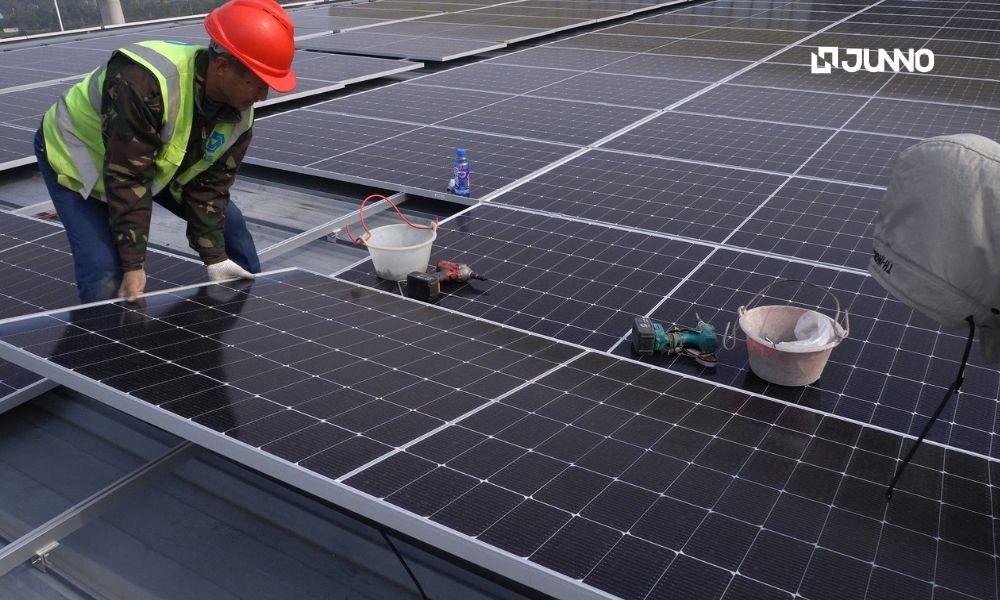
Electrical design: Design grounding and lightning protection systems, and provide DC arc protection where necessary to prevent fires.
II. Installation Phase
Construction safety
Personnel safety: Protective equipment must be worn when entering the construction area.
Electrical safety: Check in advance whether the equipment is powered off.
Equipment Installation
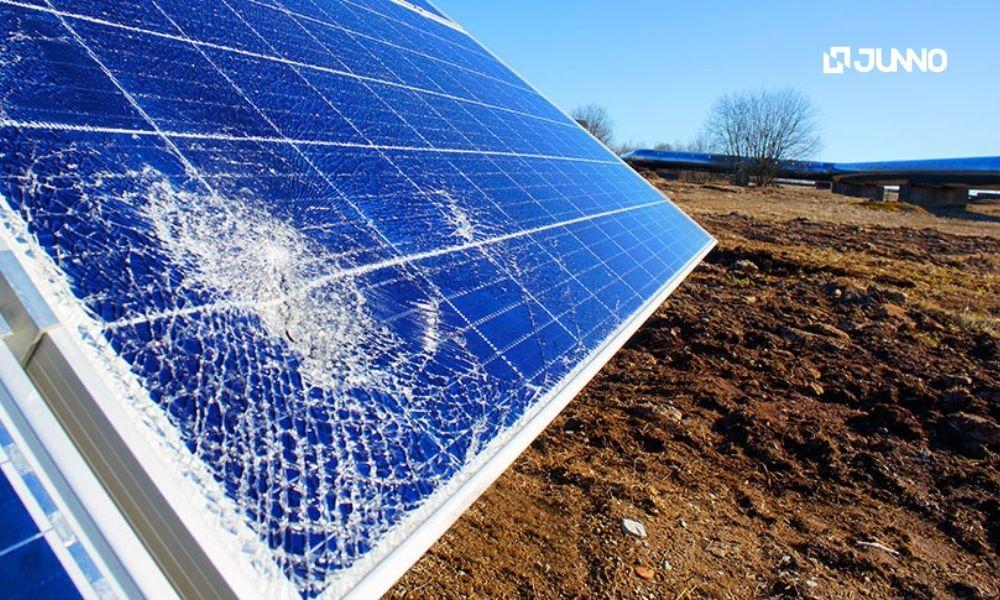
Mounting Structure: Ensure flatness and levelness to prevent micro-cracks in modules.
Support structure design: Ensures the corrosion resistance (especially in coastal areas) and pressure resistance of outdoor solar farms.
Electrical design: Design grounding and lightning protection systems, and provide DC arc protection where necessary to prevent fires.
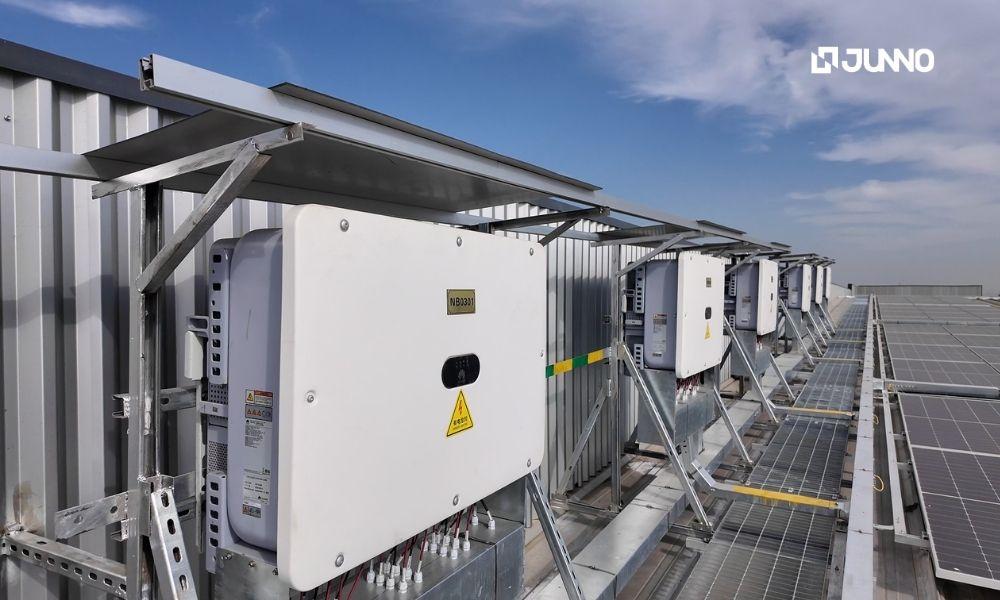
Electrical Wiring
MC4 interface: Ensure that all interfaces are securely connected and well-sealed.
Wiring standards: Cables should be fixed neatly, and different lines should be laid separately.
Reliable grounding: All non-energized metal parts must be effectively grounded.
III.Operation & Maintenance Phase
Regular Inspections
Daily monitoring: View power generation data daily through the monitoring system.
Regular inspections: Perform visual inspections and regular cleaning of the solar panels.
Electrical inspection: Use a thermal imager to scan combiner boxes, inverters, and other equipment to promptly identify any abnormal overheating in the power generation system.
Common Faults
Inverter failures: Common causes include abnormal grid voltage and low insulation impedance.
Low power generation: Common causes include continuous rainy weather, module obstruction, failure of a module in the string, and inverter failure.