A Complete Guide to Low-Maintenance, High-Yield Solar Systems
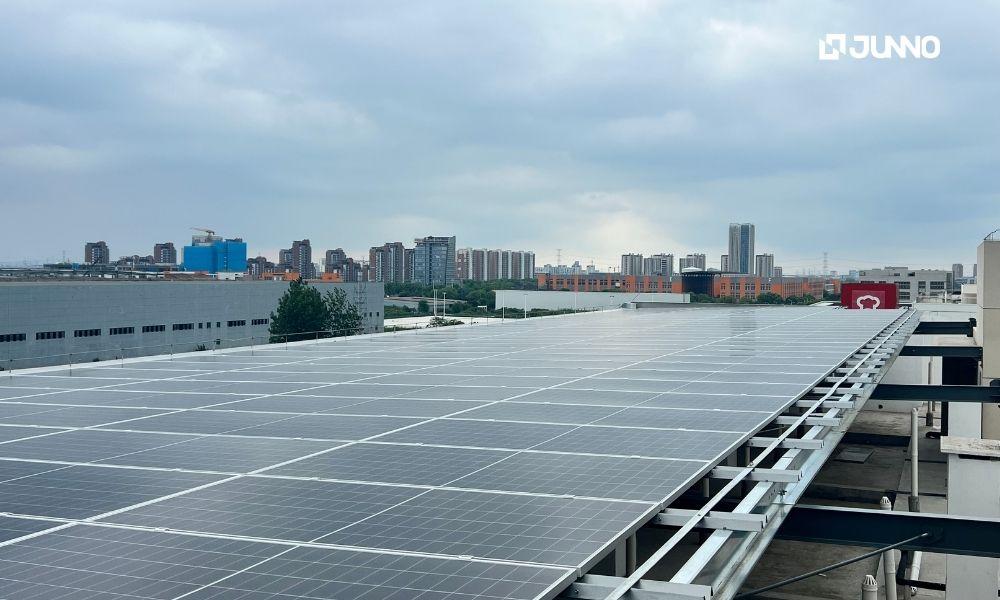
Morning sunlight falls on the rooftop of an industrial park, where thousands of solar panels begin their daily task of harvesting energy. Contrary to what one might expect, there are no frequent cleaning crews or complex maintenance dispatches—only a quiet digital system managing each panel with precision in the background.
This is the reality of a modern, low-maintenance, high-yield commercial and industrial PV system. It not only transforms how energy is acquired but also reshapes the value proposition of PV systems themselves.
01 High-Efficiency, Reliable Equipment: The Foundation of a Low-Maintenance System
Selecting the right PV equipment is the first step in ensuring long-term, stable system operation. The efficient functioning of a C&I PV system begins with module selection. High-performance modules are the "heart" of the system, and their performance directly impacts overall power generation efficiency.
Modules utilizing high-efficiency cell technologies like HPBC and TOPCon generally achieve conversion efficiencies exceeding 24.6%. Compared to conventional modules, they can increase power generation by over 15% for the same area. Such modules typically come with a 25-year power output warranty and very low degradation rates (e.g., ≤1% in the first year, ≤0.4% annually), ensuring long-term generation stability.
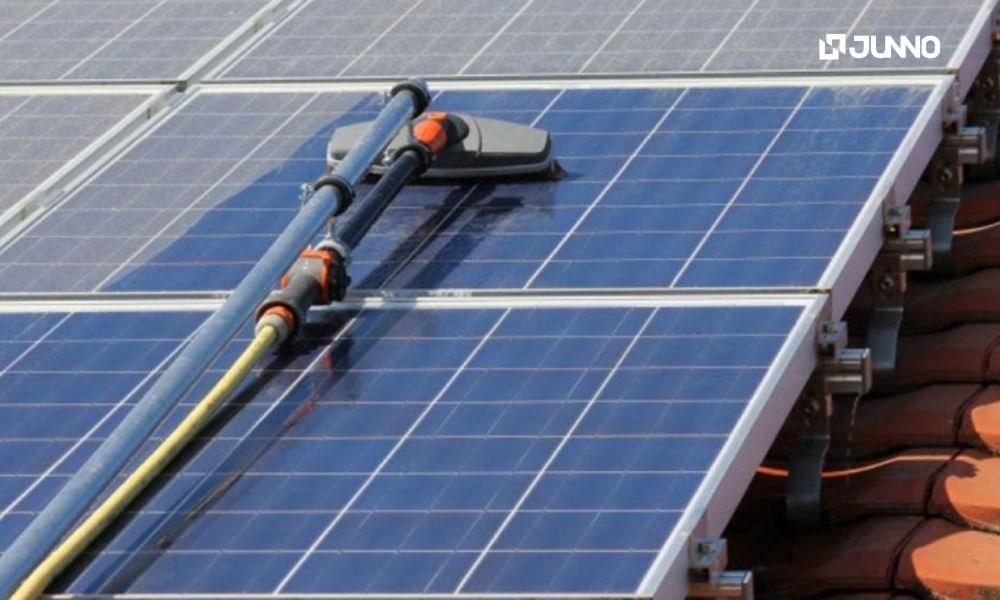
For the common low-tilt installation environments on commercial and industrial rooftops, dust accumulation is a particular challenge. "Full-screen" frameless module designs can effectively utilize rainwater for self-cleaning, achieving a comprehensive annual power generation gain of 6% to 15% and significantly reducing the need for manual cleaning.
For rooftop environments with shading obstacles, module-level power electronics (MLPE) become crucial. Microinverters or power optimizers allow each panel to operate independently at its maximum power point, avoiding the "bucket effect" and providing an additional 6% or more in system generation gain.
02 Building-Integrated Design: Engineering Wisdom for Reduced Maintenance
The degree of integration between the PV system and the building directly impacts future maintenance requirements. Traditional mounting methods involving penetrations can compromise roof waterproofing, leading to potential leaks and subsequent repair costs. Modern C&I PV systems emphasize building-friendly installation solutions.
Penetration-free, non-destructive mounting solutions—such as adhesive-mounted flexible lightweight modules, specialized clamp systems, or bonded rail installations—preserve the building's structural integrity. Their "elastic fusion" design accommodates thermal expansion and contraction, enhancing system safety during extreme weather events like strong winds.
For large-scale, centralized ground-mounted power plants, smart solar trackers are key to boosting yield. Using AI algorithms to optimize the tracking angle, these systems can achieve up to a 15% generation gain compared to fixed-tilt structures and can strategically extend generation hours during periods of high electricity prices.
Research by the U.S. Department of Energy indicates that commercial solar systems not only reduce electricity costs but also benefit from financial incentives like tax credits, shortening the payback period. Such systems typically see a return on investment within 5 to 8 years.
03 Intelligent Monitoring: The Digital Engine for O&M Transformation
An intelligent monitoring and operations & maintenance (O&M) system is the core of achieving "unmanned, smart management." By equipping each module with an optimizer or microinverter, the system enables real-time, module-level monitoring via a cloud platform.
When a module underperforms, the system can pinpoint its location and trigger an alarm, eliminating the need for manual, panel-by-panel inspections. Coupled with big data analytics, the system can predict potential equipment failures, allowing for proactive maintenance and minimizing unplanned downtime.
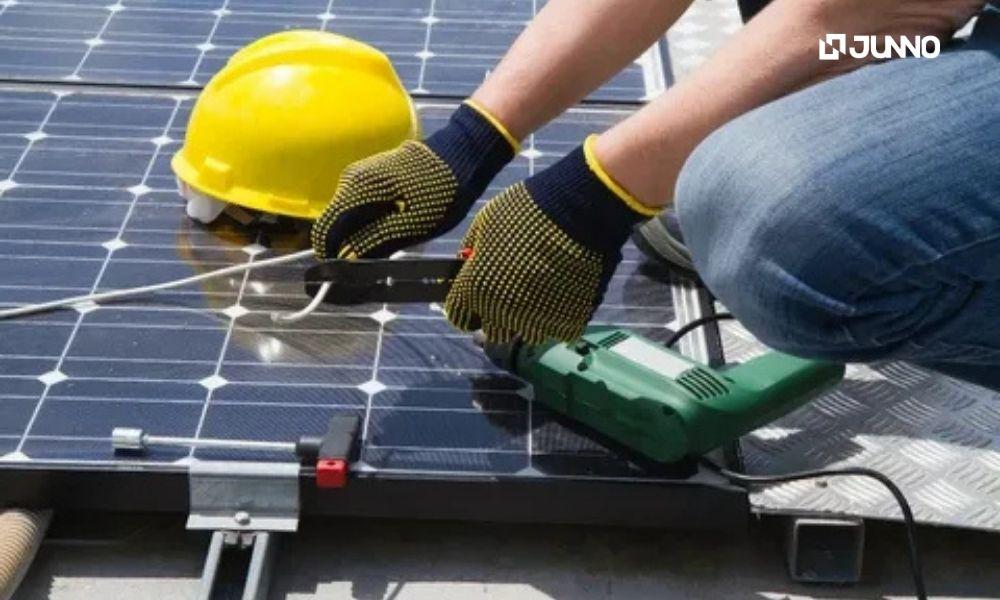
The PV industry publication PV Magazine notes that effective PV O&M can increase system yield by 5% to 25% while significantly reducing maintenance costs. Module-level monitoring systems are the technological foundation for achieving this.
Through a remote monitoring platform, O&M personnel can access real-time data on each module's power output, temperature, and health status. This allows for timely detection and resolution of issues like hot spots or diode failures, preventing minor problems from escalating into major faults.
04 Multi-Dimensional Revenue Analysis: The Financial Logic of High-Efficiency Systems
The value of a high-yield C&I PV system stems not only from high generation but also from the deep value extraction of every kilowatt-hour through meticulous system design. Financial analysis becomes a critical component of the system design process.
Revenue for a PV system primarily comes from three sources: electricity bill savings, revenue from feeding surplus power back to the grid, and green energy credits. Using precise yield simulation software combined with local meteorological data, the design phase can predict first-year and 25-year total generation, providing a reliable basis for investment decisions.
Real-world case studies show that optimally designed systems can generate over 512 kWh more per MW per hour compared to conventional products. When the self-consumption ratio is high, the savings on electricity bills become even more substantial. The U.S. Department of Energy states that commercial solar systems can reduce electricity costs by an average of 75%.
The revenue structure varies by application scenario. Systems on standard industrial rooftops emphasize high space utilization and low maintenance costs. Complex rooftops with shading require MLPE to ensure each panel's efficiency. Roofs with load limitations or special structures are suitable for flexible, lightweight modules.
05 Full Lifecycle Value: Calculation Beyond Initial Investment
When assessing a PV system's value, a full lifecycle cost analysis is more scientific than simply comparing initial investments. While low-maintenance systems may have a slightly higher upfront cost, their long-term value is more pronounced.
Components with low degradation rates and high-efficiency equipment slow the decline in generation output over time, allowing the system to maintain higher efficiency throughout its lifespan. The significant reduction in cleaning and maintenance needs directly translates into lower O&M costs.
Research from the U.S. Department of Energy indicates that the return on investment for commercial solar systems typically ranges from 10% to 20%, depending on local electricity rates, solar irradiation, and financial incentives. The long-term stability of the system directly impacts the return level.
Beyond direct economic benefits, C&I PV systems can enhance a company's green brand image, strengthen resilience against energy price volatility, and help achieve carbon emission targets. An increasing number of businesses are integrating PV systems into their sustainability strategies.