Turning Rooftops into Revenue
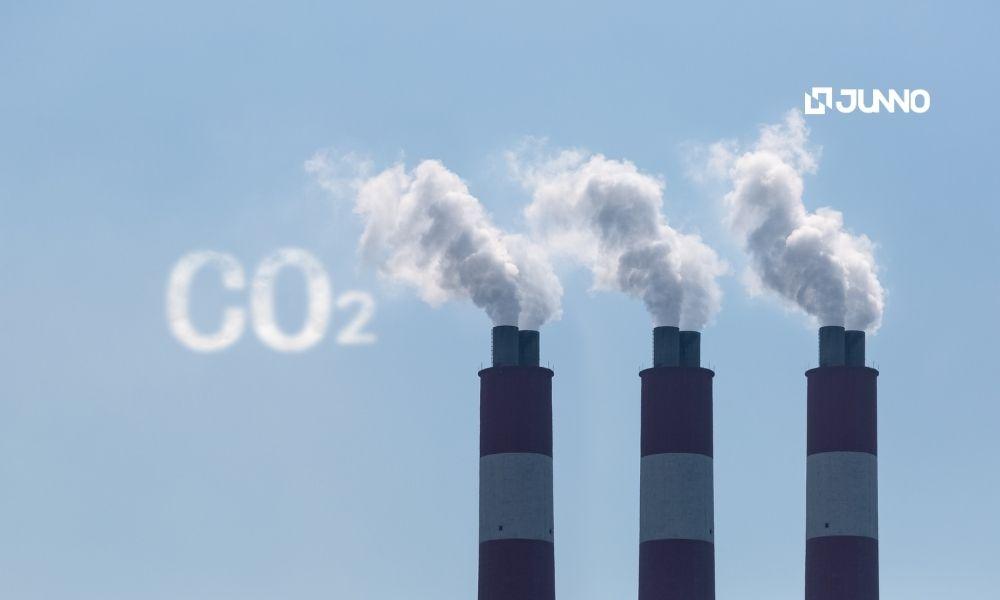
In the era of global energy transition and carbon neutrality, idle commercial rooftops have evolved from “sleeping assets” into “green cash machines.”
By simply leasing rooftop space to professional solar investors, business owners can build a steady, long-term passive income stream for 20–25 years without any capital outlay.
This model not only unlocks the value of fixed assets but also locks in low-carbon competitiveness ahead of regulations. Drawing on real-world examples from Thailand, Vietnam, and Zambia, this article breaks down the core models, showcases local success stories, and provides a practical pitfall guide to ensure your passive income stays truly passive.
The Core Models: Zero-Capital “Set-and-Forget” Income
There are two main paths for business owners to monetize their rooftops with solar, both delivering passive financial benefits:
1、Pure Rooftop Lease Model – The Ultimate Passive Income
The solar investor covers all costs—design, equipment, installation, and maintenance. The business owner simply provides the rooftop space and collects fixed rent based on area or installed capacity (e.g., $0.5–$1.5 per sqm per year). Rent is paid regardless of how much power the system generates; the investor bears all operational and performance risks.
2、Energy Management Contract (EMC) / Power Purchase Agreement (PPA) Model – Implicit Passive Gains
Although no direct rent is paid, the business enjoys discounted solar electricity—typically 10%–20% cheaper than grid tariffs. For energy-intensive manufacturers, these electricity savings often surpass what they would earn from rent, creating a powerful form of “hidden passive income” that directly improves the bottom line.
Global Snapshots: Thailand, Vietnam, and Zambia in Action
Across sun‑rich regions like Southeast Asia and Africa, these business models have become a standard tool for reducing operating costs and adding a new revenue stream.
Thailand: “Green Cost‑Cutting” for a Manufacturing Giant
Thailand enjoys over 2,600 hours of sunlight annually, making it one of Southeast Asia’s most promising solar markets.
Profile: A large manufacturing plant in Rayong province faced high electricity bills. Instead of self‑investing, it opted for a third‑party “solar + storage” solution.
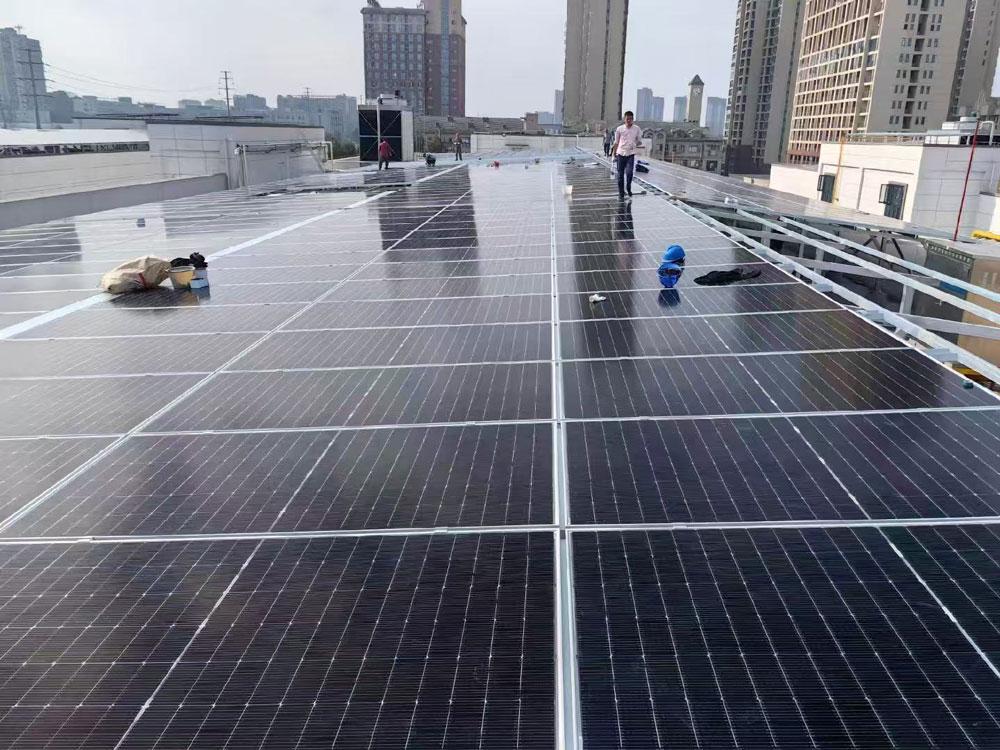
How it worked: The factory leased ~10,000 m² of rooftop to an energy developer. The investor installed PV panels plus a battery system to tackle the mismatch between peak factory demand (morning/evening) and solar generation (midday).
Outcome: The factory paid zero upfront costs. It now receives stable annual rent and benefits from discounted electricity under a PPA. According to similar projects, the model pays for itself in about four years through electricity savings alone. The factory also earned an internationally recognized “Green Factory” certification, helping its exports avoid carbon tariffs in Western markets.
Vietnam: A Survival Shield for Export‑Oriented Businesses
As the new “world’s factory,” Vietnam faces tight power supply and rising industrial tariffs. Rooftop solar has become critical for production continuity and cost control.
Profile: An electronics components factory in Bac Ninh province. Concerned about government adjustments to feed‑in tariffs (draft rules limiting sales to the grid), the factory chose a self‑consumption PPA model.
How it worked: The factory signed a 20‑year PPA with an investor who built a 5 MW rooftop system. The factory commits to buying the solar power at a rate below the grid tariff, using it primarily for its own operations. Any surplus is managed by the investor (e.g., sold under new regulations).
Outcome: Despite receiving no direct rent, the factory saves hundreds of millions of VND annually on electricity—effectively a massive passive gain. More importantly, reliable solar power insulates it from grid instability and production halts, an indirect benefit that can dwarf direct savings.
Zambia: Energy Independence for Mines and Commercial Hubs
In regions with weaker grid infrastructure, rooftop solar is not just an income source but a lifeline for continuous operation.
Profile: A large shopping mall or a mining support plant in Lusaka. Zambia relies heavily on hydropower, which suffers severe dry‑season shortages, forcing businesses to rely on expensive diesel generators.
How it worked: An international development finance institution or an IPP developed the project under a BOO (Build‑Own‑Operate) model, shouldering all investment risks typical of high local financing costs. The system was installed on the commercial centre’s rooftop.
Outcome: The business owner receives rent (in USD or local currency) and gains access to clean electricity that is over 50% cheaper than diesel generation. In many cases, solar becomes the primary power source, completely eliminating production downtime caused by blackouts. This “risk‑avoidance” benefit is especially valuable in African markets.
Pitfall Guide: Keeping “Passive” from Becoming “Passive‑Aggressive”
While the opportunity is real, business owners must structure contracts carefully to ensure the income remains trouble‑free.
Structural Integrity & Liability: Insist on a structural load certificate from a licensed engineer. The contract must clearly state that the investor bears all costs for any roof damage (leaks, collapse) caused by the installation, including repair and associated business interruption losses.
Early Termination & Business Continuity: Solar contracts last 20–25 years. What happens if you relocate, go bankrupt, or the factory is expropriated? The termination clause should be clear: if the business owner terminates early, they typically must compensate the investor for lost future revenue over the remaining contract term. This sum can be substantial—evaluate it carefully.
Clear Title & Landlord Consent: Ensure you hold valid title to the factory premises. If you are a tenant, obtain written consent from the landlord; without it, the rooftop lease is void.
Avoid “Structured Loans” in Disguise: A genuine rooftop lease requires no deposit, no security bond, and no loan from your side. If the investor asks you to pay an upfront fee or take out a loan, walk away—it’s a disguised financing scheme that shifts risk back to you.
Conclusion
From manufacturing floors in Thailand to electronics workshops in Vietnam and commercial hubs in Zambia, rooftop solar leasing has proven to be a low‑risk, high‑return strategy for business owners worldwide. By turning an idle asset into a predictable income stream—and often slashing energy costs—you can strengthen your company’s financial health and green credentials simultaneously. The key is to choose the right partner, understand the local regulatory landscape, and lock in a contract that keeps the income passive for decades to come.